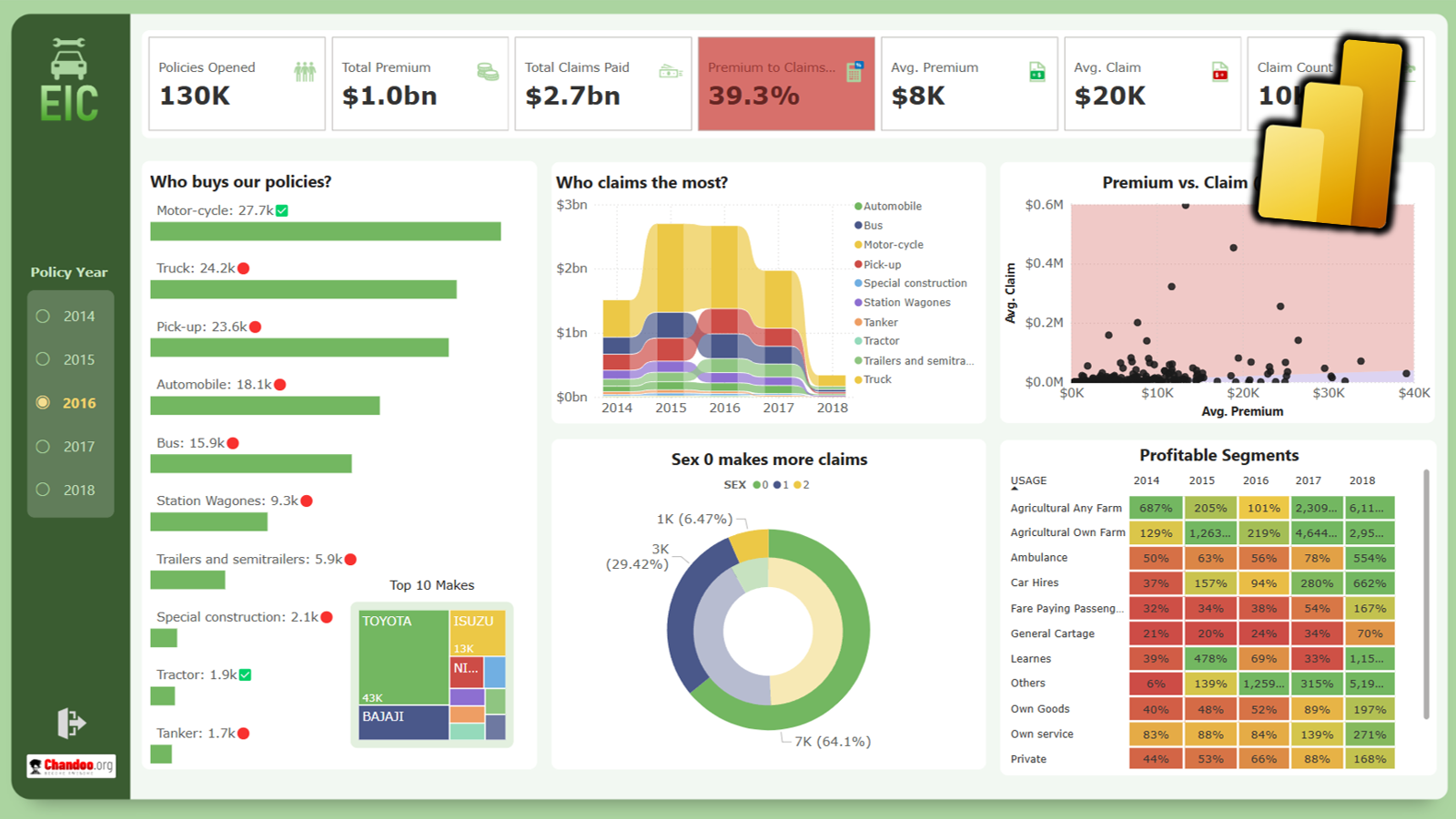
Here is a best practice to improve your dashboard usability. If you have an interactive dashboard, highlight user selections thru conditional formatting.
Check out below quick video to understand what this means.
You may watch this video on our YouTube channel too.
Download Example workbook
Please click here to download the example workbook for this video. Play with conditional formatting rules to learn more.
More ways to create awesome dashboards
- Never use simple numbers in your dashboards
- Place all vital information in golden triangles
- Show alerts & warning icons in dashboards with conditional formatting
- Create duplicate controls to improve usability of dashboards
- Add text narrative to your dashboards – case study
- Use shapes to enhance dashboards & charts
- Process & explanation – how to create awesome dashboards – podcast